
Tokyo moves fast. Neon lights, crowded trains, unlimited energy. And in the midst of it all, Sensoji Temple stands being serene, spiritual and deeply rooted in history. This is the oldest Buddhist temple in Tokyo and one of the most visited landmarks, which attracts travellers who want to see the city beyond skyscrapers and shopping streets.
The temple was constructed in 628 AD by two brothers in honour of the Kannon- the Goddess of Mercy. You’ll feel different as soon as you pass through the Kaminarimon Gate and step onto Nakamise Street. Incense smoke, prayer chants and the centuries-old traditions fill the air. Choose the best Japan Tour Packages and visit the temple because it is not merely just a sightseeing experience but an opportunity to relax, learn about the Japanese culture and get to know a part of Tokyo that has not changed in centuries.
About The Sensoji Temple
The oldest Buddhist temple in the city of Tokyo is Sensoji Temple located in Asakusa. It was established in 645 CE and is still one of the most visited temples in Japan, having more than 30 million visitors every year. The temple is devoted to Kannon, who is the Bodhisattva of compassion and the Sensoji Temple history gets its roots from the legendary discovery of a Kannon statue in the Sumida River located nearby by two fishermen. The temple complex consists of iconic buildings, including the giant red Kaminarimon (Thunder Gate), the shopping street Nakamise-dori full of traditional stalls, the inner Hozomon Gate, a tall five-storied pagoda and the Main Hall where people offer prayers.
Founded: 645 CE (Tokyo’s oldest temple)
Dedicated to: Kannon, Goddess of Mercy
Annual Visitors: around 30 million
Famous For: Kaminarimon Gate, Nakamise Street, Historic Pagoda
Sensoji Temple Entrance Fee: Free (no entry charge for the temple grounds or Main Hall)
Sensoji Temple Timings:
Temple Grounds: Open 24 hours
Main Hall (Kannon-do): 6:00 AM - 5:00 PM (April to September); 6:30 AM - 5:00 PM (October to March)
Sensoji Temple Best Time to Visit
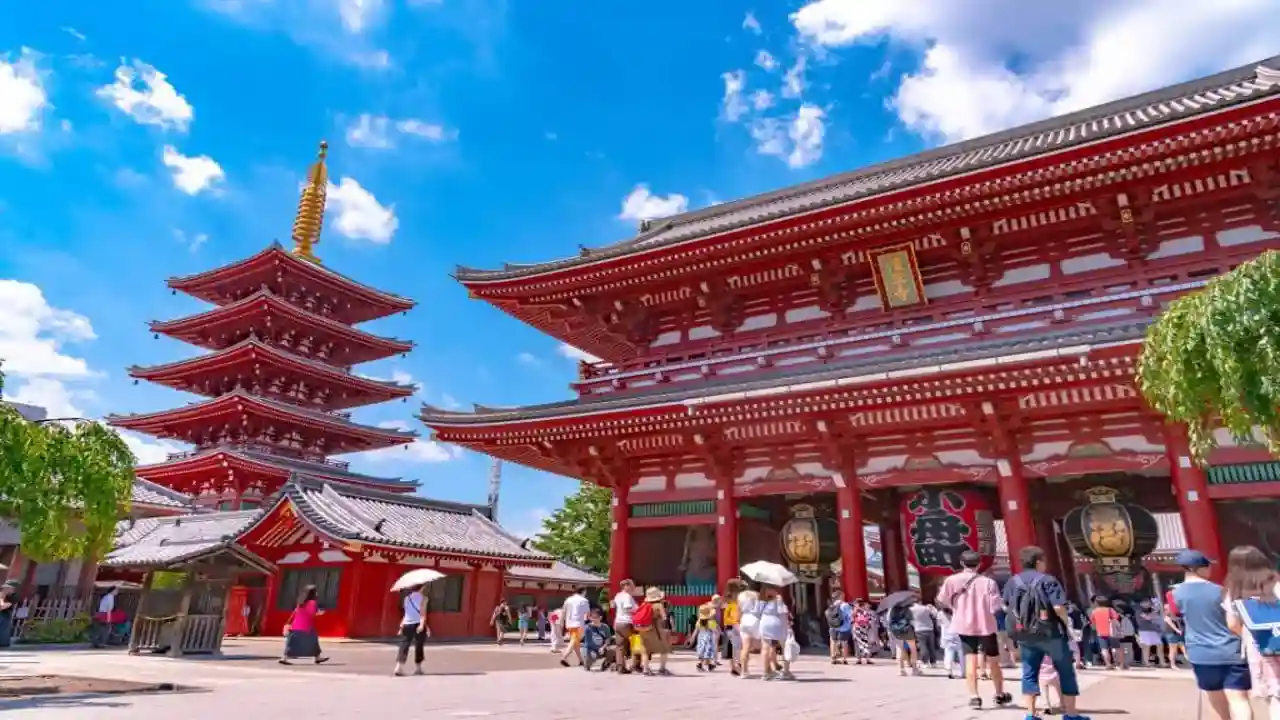
The best time to visit the temple is during spring (March- May) or autumn (September- November) because the weather is not too hot or too cold and the surroundings are particularly beautiful with cherry blossoms as well as pretty fall colours. Spring brings cherry blossoms near the temple and Sumida Park and in autumn, it is cool with beautiful leaves and crisp air.
Early morning hours (around 6:00-8:00 AM) are ideal for a quieter experience before crowds arrive at Nakamise Street. Evenings after 6:00 PM give you a peaceful atmosphere with gentle lighting and fewer people. Visiting Sensoji Temple at night offers a magical experience as well since this is when the temple is beautifully illuminated and the atmosphere is calm.
Winters are calm and clear but cold and summer can be hot and humid. So timing your visit early or later in the day helps beat the heat as well as heavy crowds. Avoid peak tourist periods like New Year’s and Golden Week if you prefer a calmer visit.
How to Reach Sensoji Temple
Sensoji Temple Tokyo is located in Asakusa and it is very easy to reach the temple using public transport. Asakusa is well connected to major parts of the city; thus, the most convenient way is by metro or train. The journey usually takes 30- 45 minutes from central areas like Shinjuku, Shibuya or Tokyo Station. Once you reach Asakusa Station, the temple is just a 5-7 minute walk, passing through the lively Nakamise Street. Taxis and buses are also easily available. However, trains are faster and more budget-friendly, especially during peak hours.
By Metro / Train:
Ginza Line: Get down at Asakusa Station (Exit 1)
Asakusa Line: Direct access from Haneda & Narita Airport areas
Tobu Skytree Line: Convenient for travellers coming from nearby suburbs
By Bus: Toei and Tokyo city buses stop near Asakusa Kaminarimon
By Taxi: Easily available across Tokyo; best for late evenings or groups
Walking Distance: About 500 metres from Asakusa Station to the temple
Top Things to Do at Sensoji Temple
Sensoji offers a beautiful mix of culture, history and everyday traditions. This makes it one of the most meaningful places to visit in Tokyo. Be it prayer rituals or be it local experiences, these activities highlight some of the most memorable things to do in Japan at the temple!
1. Walk Through Kaminarimon Gate
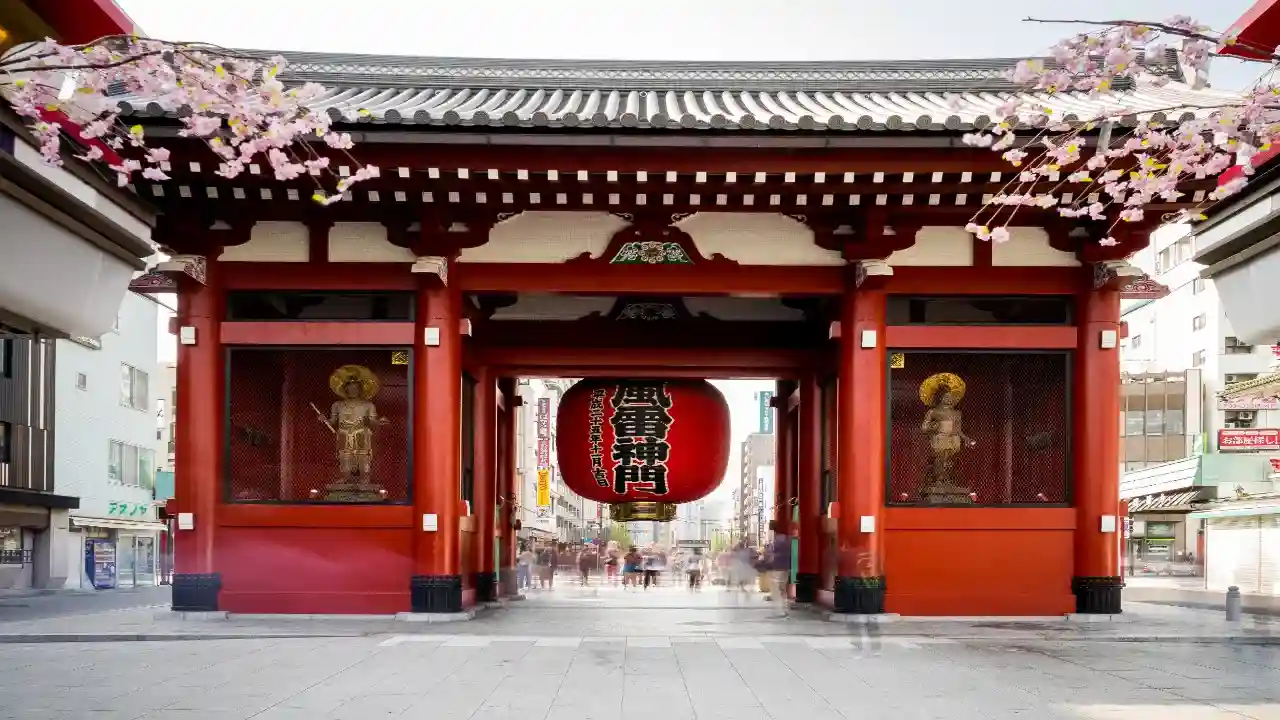
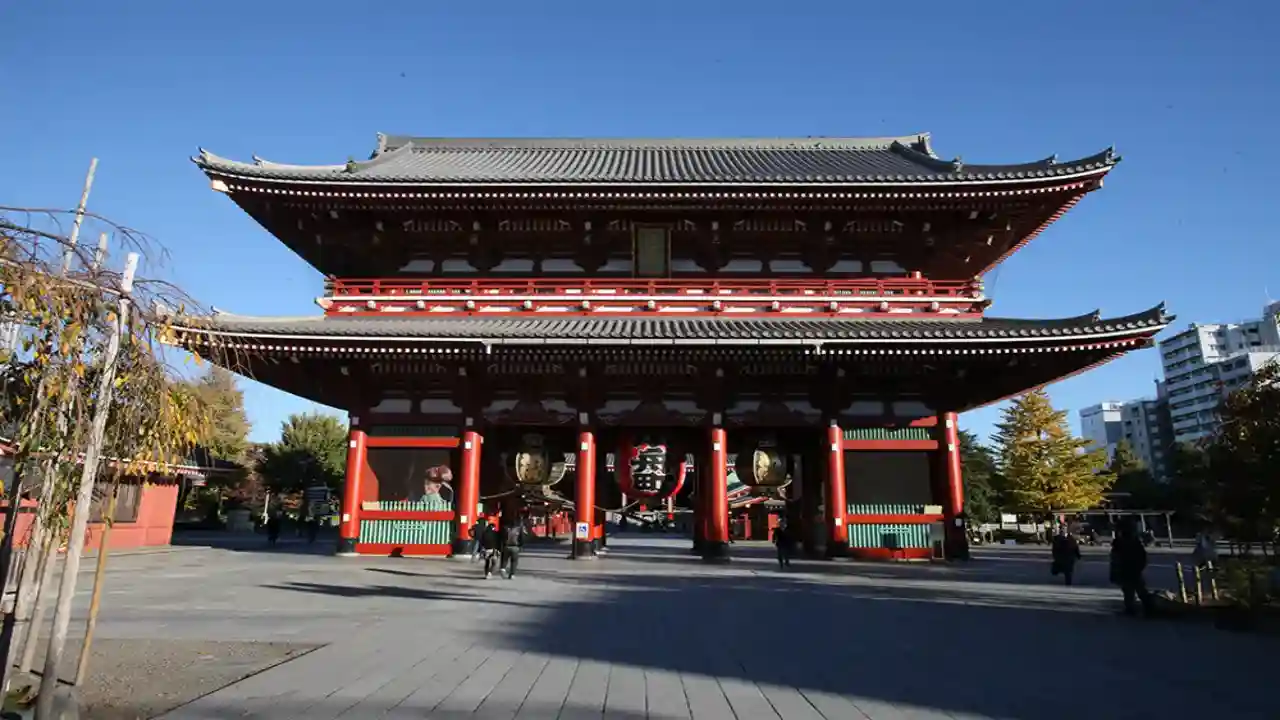
The tour starts with walking through the famous Kaminarimon, more commonly known as the Thunder Gate. This gate is popular for its huge red lantern and also for the statues of guardians on either side of its entrance. It's the official entrance to Sensoji and one of Tokyo's most photographed places. Stopping and viewing the lantern and structure before crossing is quite impressive and gives great insight into the spiritual aspect of the temple. Visits during early morning hours are generally quiet and allow a clutter-free experience.
2. Visit Nakamise Shopping Street
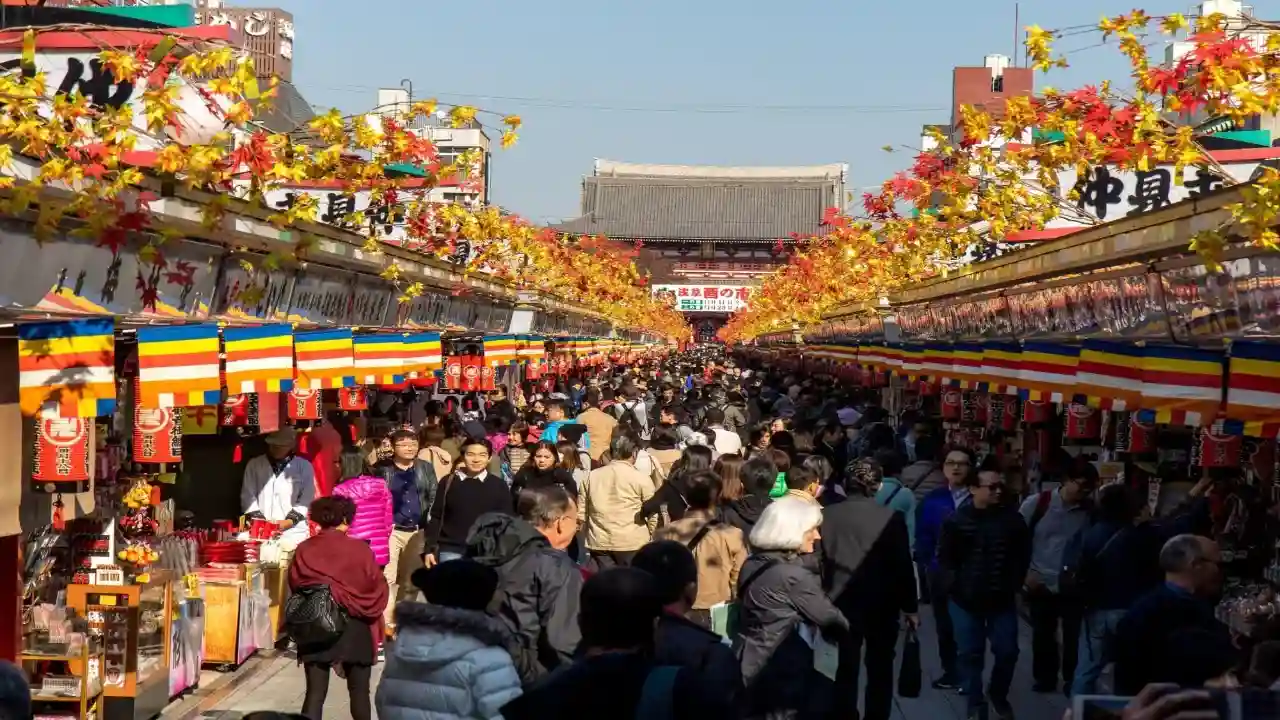
Nakamise Street runs from Kaminarimon Gate to the main temple hall and is one of Japan's oldest streets for shopping in Japan. The street houses small shops selling traditional snacks, souvenirs, fans, yukata and lucky charms. Walking along Nakamise is something of a cultural experience in itself, as the vibrant colors keep the street lively throughout the day. An apt setting to try out local sweets like ningyo-yaki and rice crackers, the approach toward the main temple heightens anticipation. Besides, the temple is famous for Sensoji Temple charms called omamori. These are traditional Japanese charms believed to bring good luck and protection.
3. Offer Prayers at the Main Hall
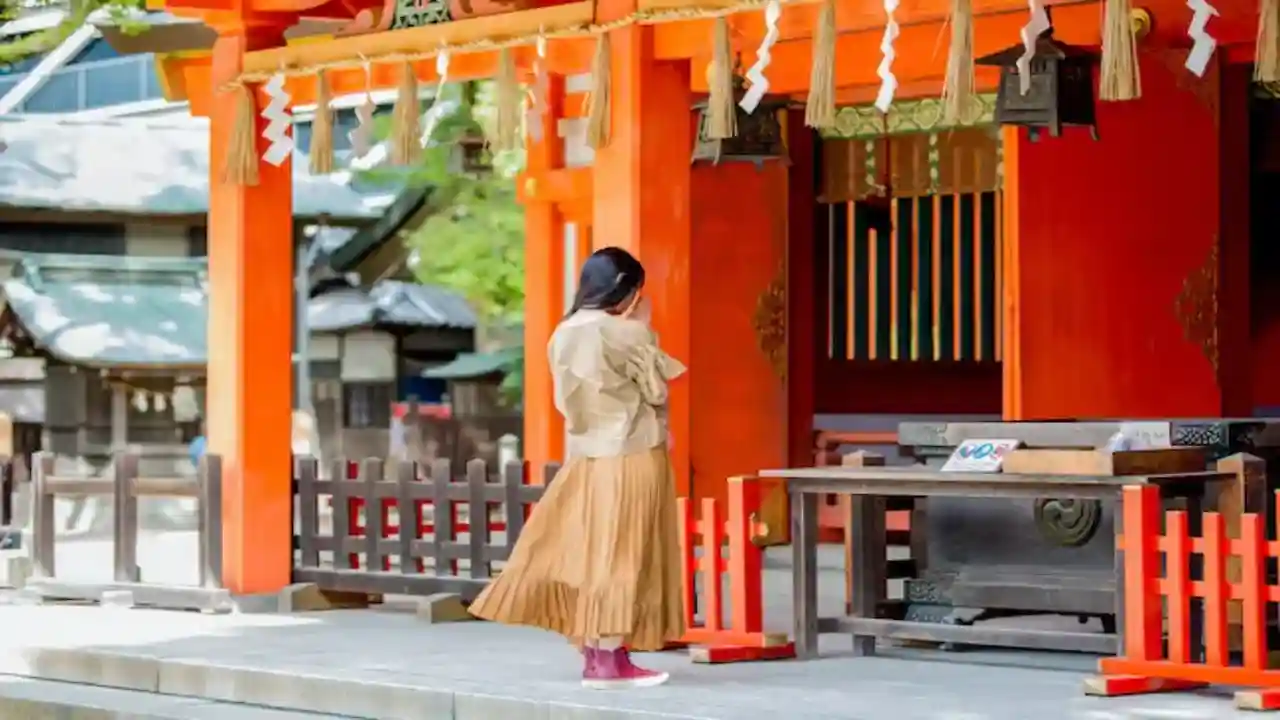
The Main Hall is the locus for prayer to Kannon, the Goddess of Mercy. Before entry, visitors light incense and perform a ritual cleansing by washing their hands as a sign of reverence and purification. Visitors can pray, offer coins and engage in quiet reflection inside. Inside, the atmosphere remains subdued despite changes in crowd size. This is easily accessible to novice visitors and helps to gain an understanding of the spiritual aspect of Japanese culture and the importance of the temple to local communities.
4. Try Your Fortune with Omikuji
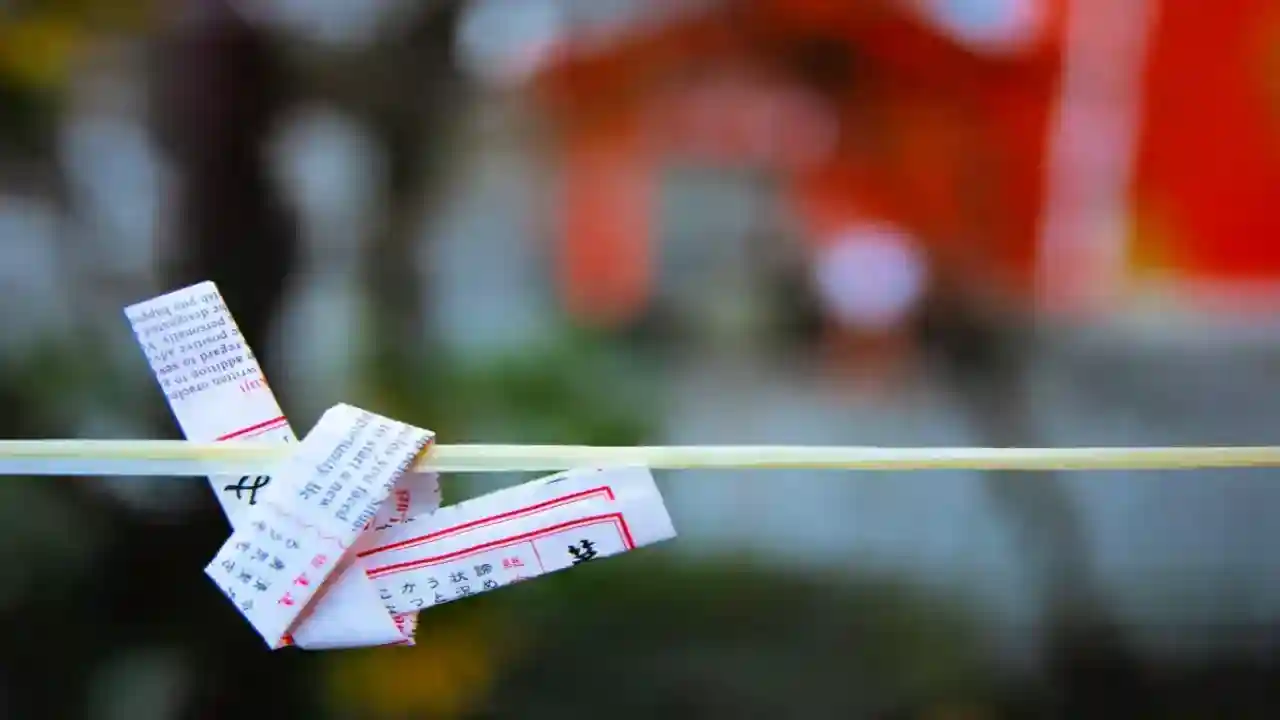
Drawing an omikuji paper fortune is a popular thing to do at Sensoji. You shake a metal box, draw out a wooden stick and take out a fortune from the corresponding number. These fortunes tell everything about your health, relationship, studies and prospects for the future. If the fortune is bad, people tie it to the designated racks to get rid of the bad luck; if it is good, they keep it. It is a simple, meaningful practice and very closely related to temple customs.
5. Visit the Five-Storey Pagoda
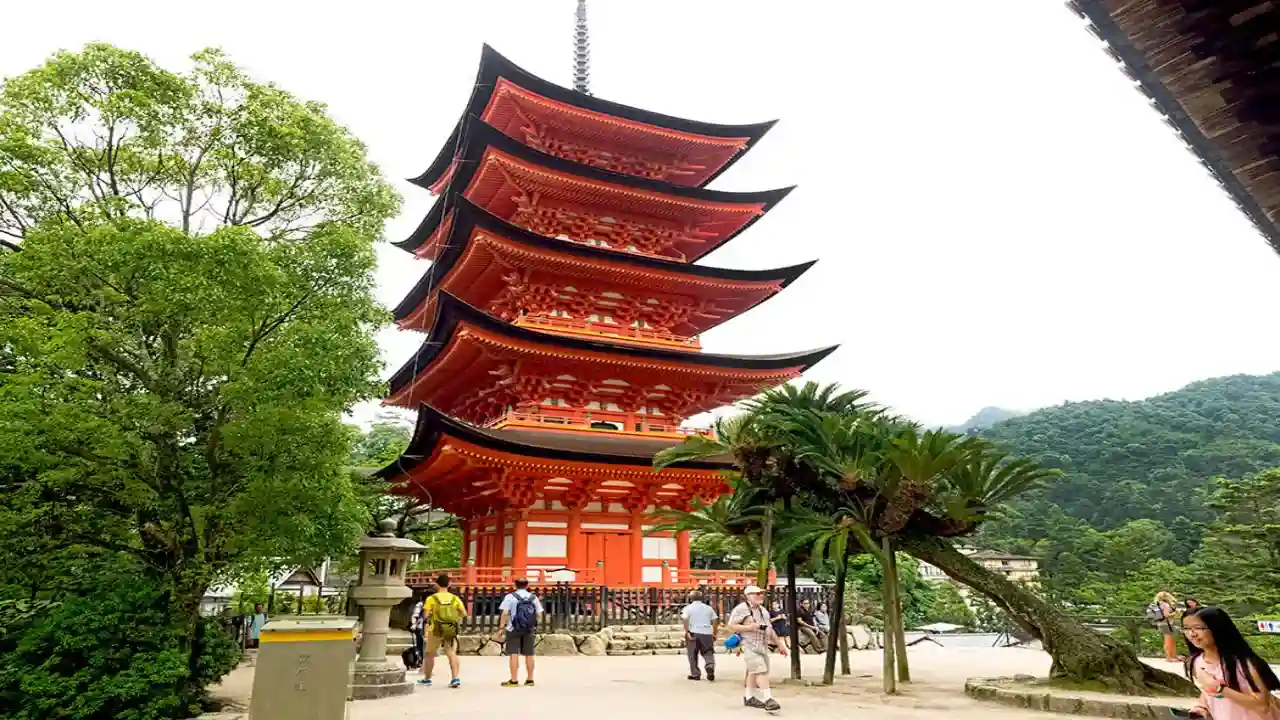
In addition to the Main Hall is the Five-Story Pagoda, which has a strong architectural presence to add to the traditional appeal of the temple. Interior access into the pagoda is not accessible to visitors, and the structure is best appreciated up close for its architectural form and symbolic significance within Buddhist tradition. This provides an exceptionally appealing photographic subject, especially in the morning or evening light and allows time for quiet contemplation amidst the peaceful surroundings of the temple and its environment.
Best Places to Visit Near Sensoji Temple
The temple is surrounded by historic streets, cultural landmarks as well as lively neighbourhoods that are easy to explore on foot. These places to visit in Japan near the temple add more depth to your visit and help you experience local life, traditions and architecture around one of Tokyo’s most iconic temples.
1. Nakamise Street
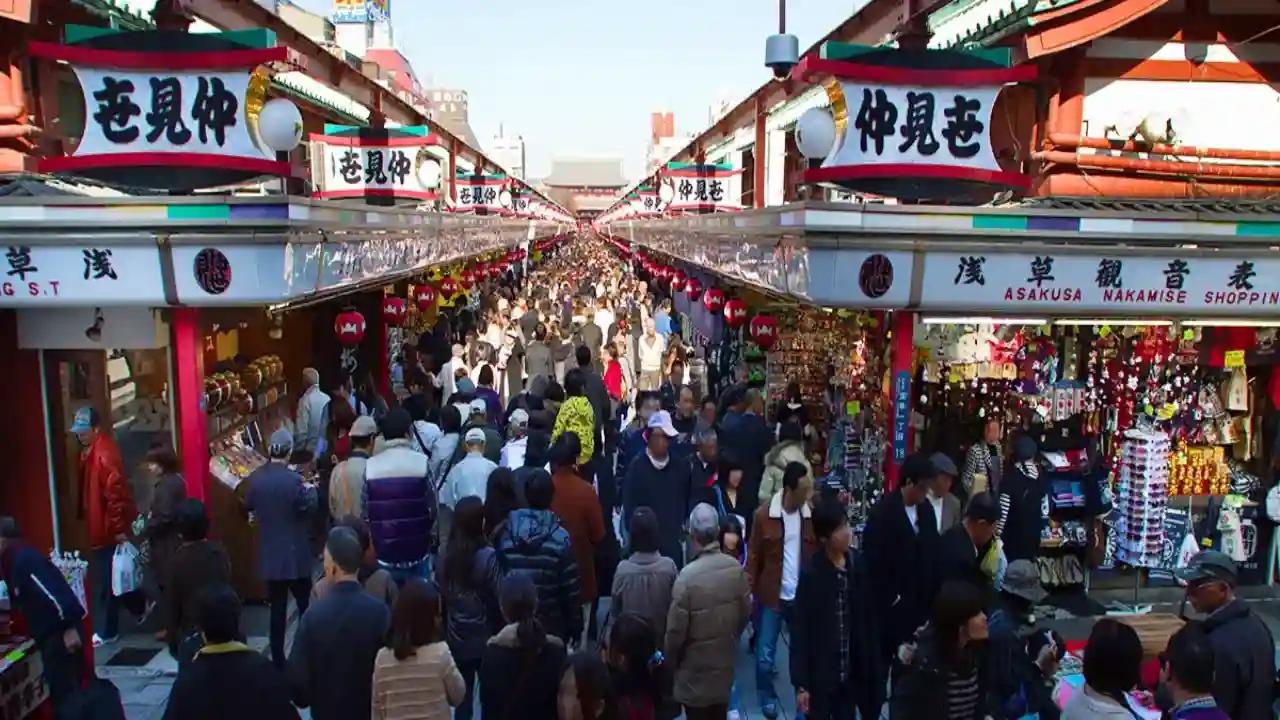
Nakamise Street is the famous shopping street that stretches from Kaminarimon Gate to the temple. This has been a historic path for many hundreds of years, lined with traditional stalls selling Japanese snacks, souvenirs and handmade crafts. Visitors can try traditional sweets and food in Japan, like ningyo-yaki cakes and senbei rice crackers, as they make their way down the bustling corridor. The colored shops, lanterns and tantalising smells of the street give it a festive atmosphere during the day. Nakamise Street is an ideal place to experience local culture and buy souvenirs in Asakusa.
Location: Outside the temple, Asakusa
Timings: 10:00 AM - 6:00 PM (varies by shop)
Entry Fee: Free
2. Asakusa Shrine
Asakusa Shrine is a serene and spiritual place tucked away next to Asakusa Sensoji Temple. The shrine was built in 1649 to honour the men who founded the temple. While the temple grounds are usually crowded, the shrine area provides a more relaxed atmosphere with trees and plenty of space. It follows Shinto traditions and thereby offers a different religious atmosphere than Buddhist temples. The shrine is also famous for the Sanja Matsuri festival that occurs every May, when it welcomes many tourists from all over Japan.
Location: Next to Sensoji
Timings: Open 24 hours
Entry Fee: Free
3. Sumida River
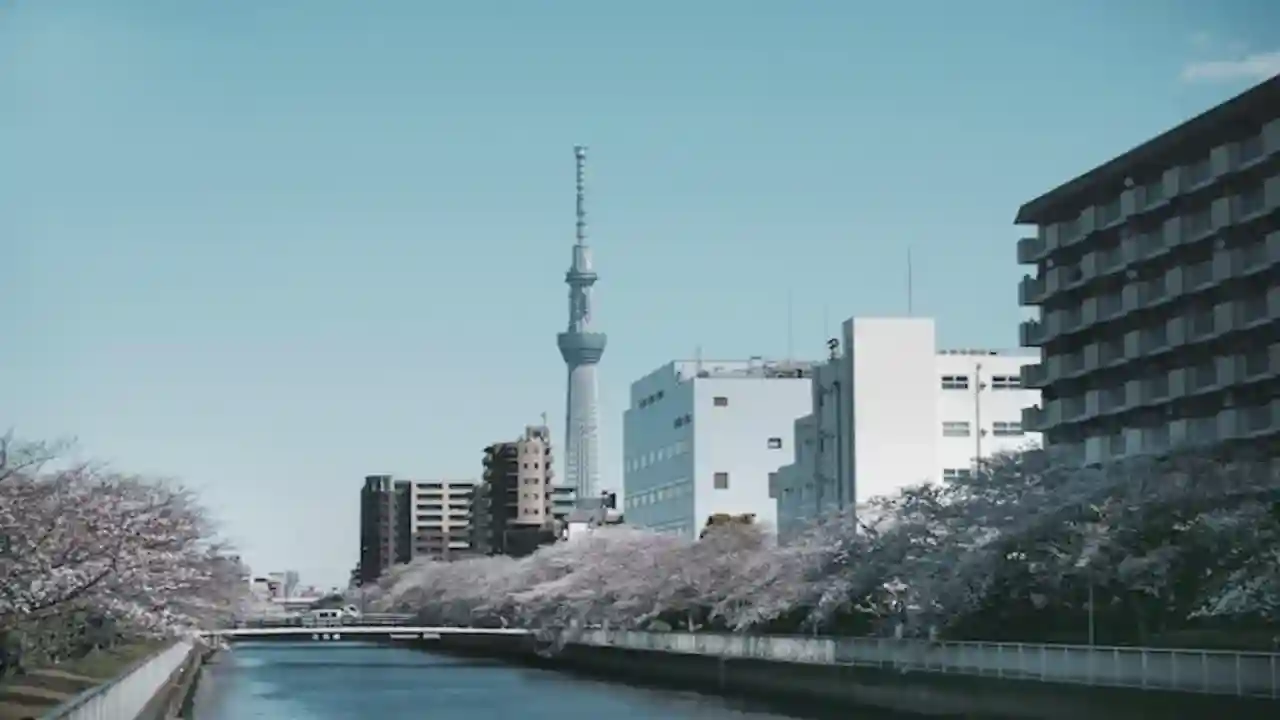
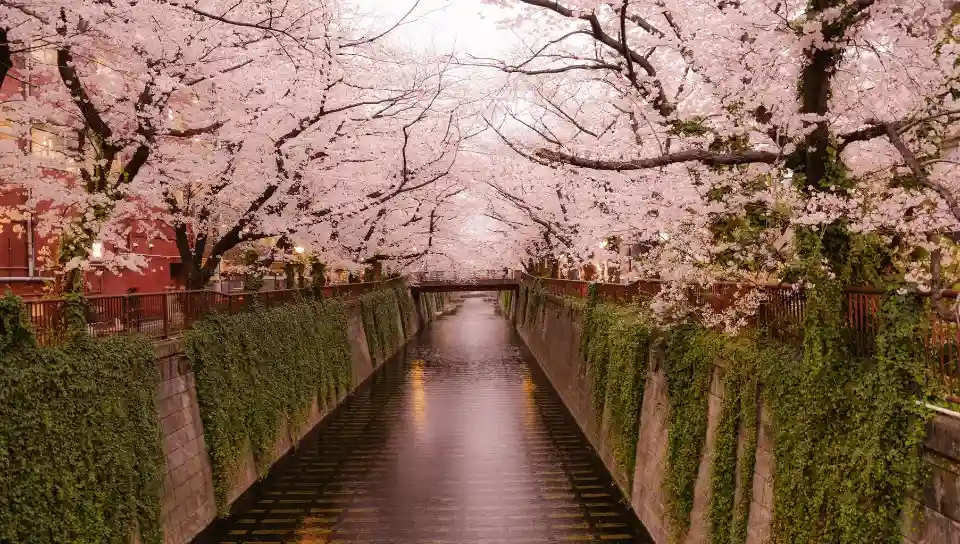
The Sumida River provides a quiet, picturesque setting near the temple and is apt for relaxing walks and sightseeing. The riverbank offers a glimpse of the bridges, boats and Tokyo's skyline. In spring, cherry blossoms line the banks along the river, turning the place into one of the most popular spots for taking photographs in Asakusa. Visitors may also enjoy the riverside cruises, which connect Asakusa to other parts of Tokyo. The serene atmosphere is a relief after the hustle and bustle on the narrow temple streets
Location: 5-10 minutes walk from Sensoji
Timings: Open all day
Entry Fee: Free (boat cruises cost extra)
4. Tokyo Skytree
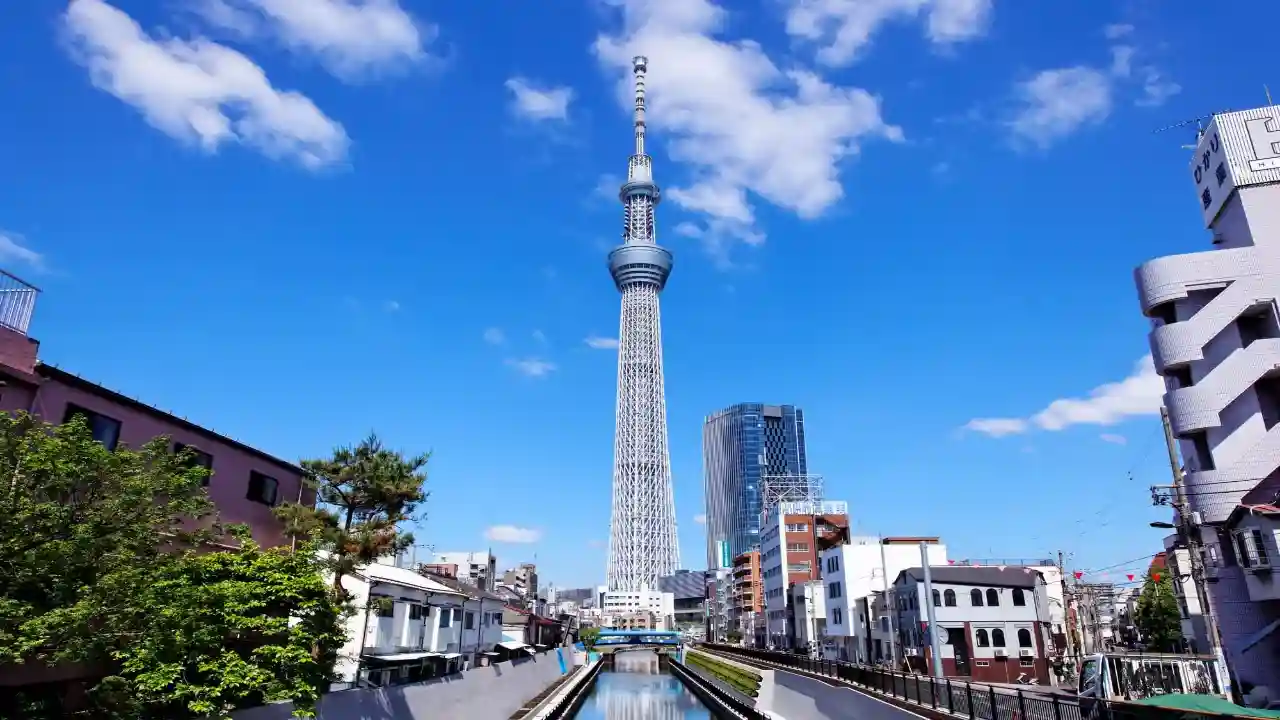
Tokyo Skytree is a modern-day icon that stands close to the traditional area of Asakusa. It is one of the tallest towers in the world, and it features observation decks that allow tourists to have wide-ranging views over Tokyo. If the day is clear, even Mount Fuji can be seen from its top. The Skytree complex also comprises shopping malls, restaurants and an aquarium. A visit to Tokyo Skytree affords travellers access to modern attractions while remaining close to Sensoji.
Location: Around 2 km from Sensoji
Timings: 10:00 AM - 9:00 PM
Entry Fee: ₹1,400- ₹1,500 ( ¥2,100- ¥2,300) for Tembo Deck (350 m); ₹2,100- ₹2,300 (¥3,100- ¥3,400) for Tembo Deck + Tembo Galleria (450 m)
5. Asakusa Culture and Tourist Information Centre
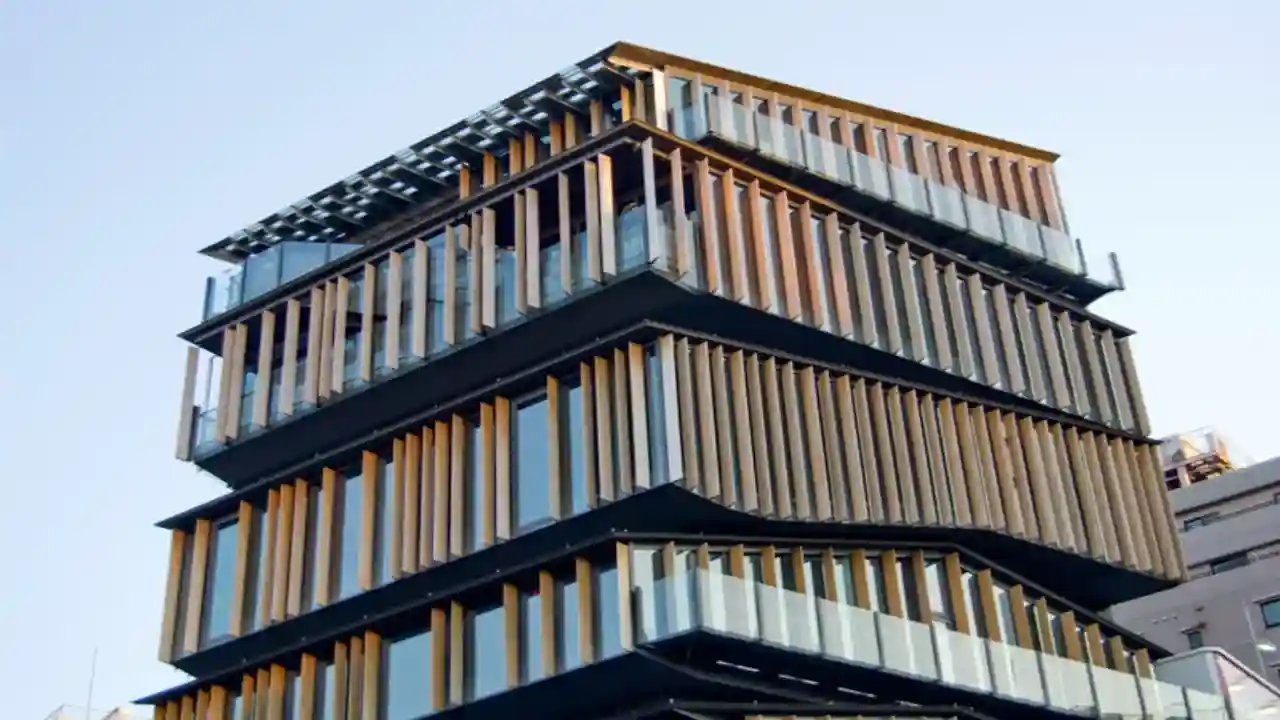
For those visiting Japan for the first time, the Asakusa Culture and Tourist Information Centre is a useful stop. Close to Kaminarimon Gate, this modern centre offers free maps, travel guidance and local information and that too for free. The top floor has a free observation deck that offers clear views of the Temple and Nakamise Street. The building also contains small exhibition spaces and cafes, so it is a good place to start when planning a visit and getting to know the area better.
Location: Opposite Kaminarimon Gate
Timings: 9:00 AM - 8:00 PM
Entry Fee: Free
Travel Tips for Visiting Sensoji Temple
A visit to the temple is a cultural experience and a little preparation beforehand can add to the experience overall. As Tokyo's oldest and most-visited temple, the area remains busy throughout the day, especially on weekends, during festivals and in the cherry blossom season. Scheduling the visit at the right time as per your preferences, adopting respectful attire and understanding basic temple etiquette can facilitate a comfortable, respectful and enjoyable experience for first-time visitors. Given below are some of the pointers to keep in mind when you are planning a visit to the temple.
Visit early in the morning to experience a calmer atmosphere before crowds build up
Wear modest and comfortable clothing; there is no strict sensoji temple dress code but covered shoulders and knee-length outfits are respectful
Remove hats and keep mobile phones on silent inside the main hall
Carry small cash for incense offerings, omamori charms and street snacks
Follow the incense ritual properly; waft the smoke gently towards yourself, not others
Avoid eating or drinking while walking inside the temple premises
Be patient during prayer queues, especially on weekends and during festivals
Respect photography rules and avoid clicking photos inside the worship hall
Check the weather forecast, as rain can make the temple grounds slippery and crowded
Check festival dates in advance, as the temple gets extremely crowded during events like Sanja Matsuri
Conclusion
Visiting the oldest Buddhist temple of Tokyo is a once-in-a-lifetime kind of an experience that takes you right at the heart of the beautiful culture of Tokyo along with its history and spirituality. Be it walking through the vibrant Kaminarimon gate or exploring the busy Nakamise Street, every corner of the Sensoji temple offers something unique for travellers. Tourists can witness traditional rituals, shop for souvenirs or simply soak in the serene ambience of the temple while they are here. Plan your visit with the best time, proper dress code and travel tips and get ready to have a smooth and unforgettable journey.









 View on Map
 (+91) 8287636079